A roadmap is a promise. A price tag is a commitment.
Promises are cheap to make and easy to revise. A commitment has a configuration, a ship date and a number attached, and once it exists, anyone can check it.
What changed when the first Intel Macs arrived?
At Macworld Expo in San Francisco on January 10, 2006, Apple introduced a new iMac built on the Intel Core Duo processor. The iMac was shipping that day, and Apple called it the first of a new generation of Macs featuring Intel processors that it would roll out during 2006. The MacBook Pro, Apple's first notebook based on an Intel processor, could be pre-ordered the same day and was due to be available in February.
Why does a price tag matter more than a roadmap?
The 17-inch Intel iMac carried a suggested retail price of $1,299, and the 1.67 GHz, 15-inch MacBook Pro was listed at $1,999. Apple's own figures put the iMac at up to twice as fast as its predecessor and the MacBook Pro at up to four times faster than the PowerBook G4. Those were vendor claims, not independent tests. What mattered was that they came attached to machines people could order.
The bridge matters as much as the destination
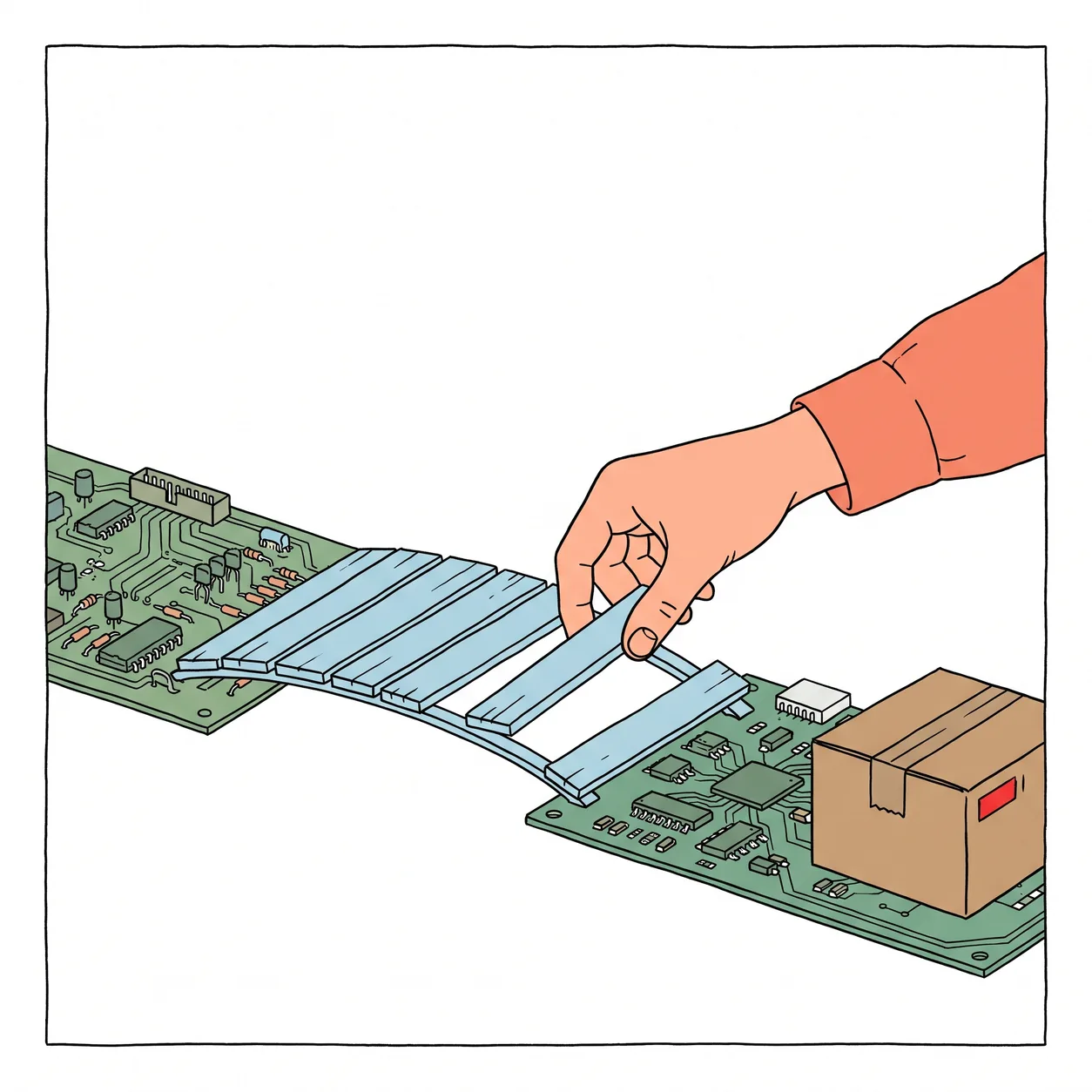
Apple said a translation technology called Rosetta would let most Mac OS X PowerPC applications run on the new machines.
That is the real cost of changing a foundation. The new floor has to hold the old furniture for a while, or nobody moves in. A switch that strands existing work is not a transition. It is a reset, and most people decline resets.
Name the destination. Ship the first unit. Put a price on it. Build the bridge.
Sources
- Apple Unveils New iMac with Intel Core Duo Processor - Apple Computer, Inc., press release, January 10, 2006 (archived copies captured 2006-01-14 and 2006-01-15)
- Apple Introduces MacBook Pro - Apple Computer, Inc., press release, January 10, 2006 (archived copies captured 2006-01-13 and 2006-01-16)


